The Evolution of Urban Architecture: Blending Tradition with Modernity
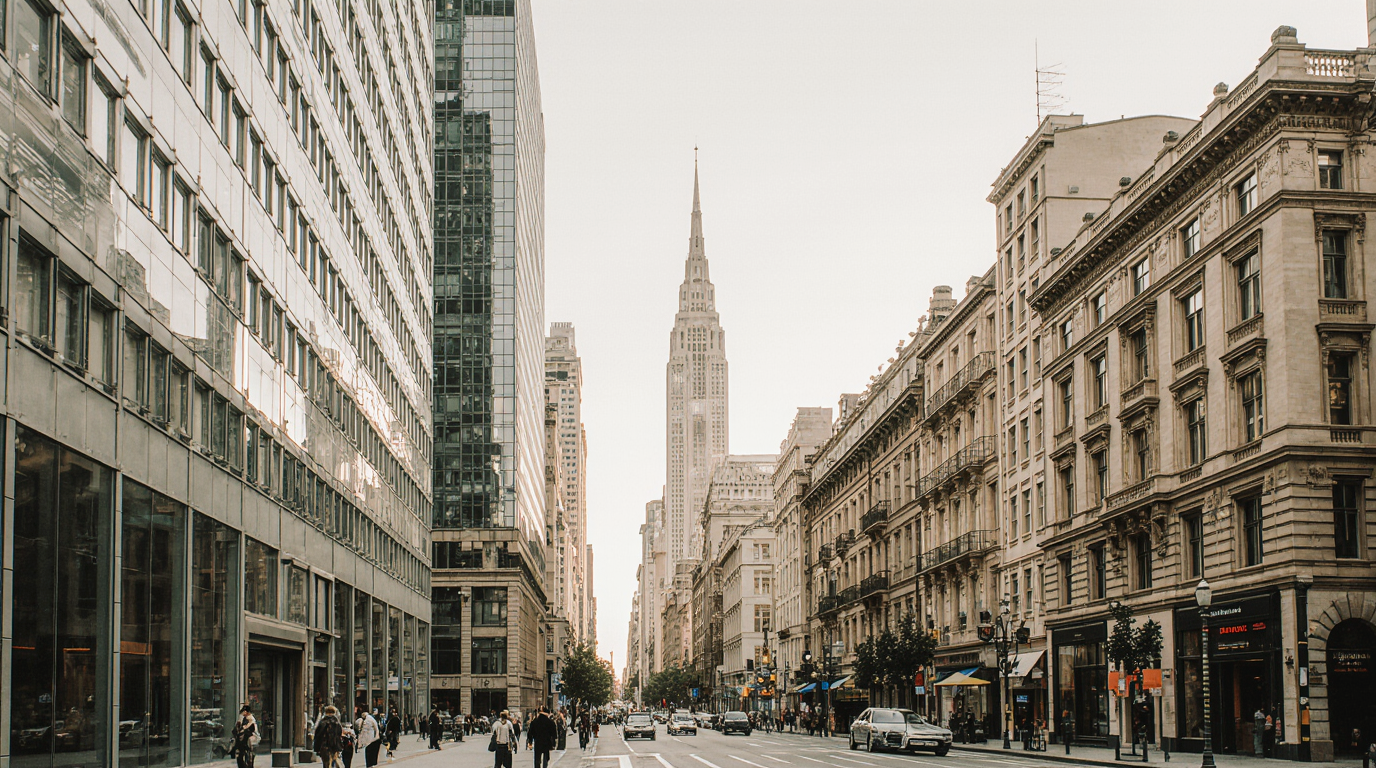
Urban architecture is a dynamic field that reflects the cultural, social, and technological changes of society. As cities grow and evolve, so too does the architecture that defines them. This article explores the journey of urban architecture, highlighting key trends and innovations that have shaped our cities.
Historical Context
The roots of urban architecture can be traced back to ancient civilizations, where structures were built not only for functionality but also to symbolize power and culture. From the grand temples of Greece to the intricate designs of Gothic cathedrals, each era has left its mark on the urban landscape.
Modern Influences
In the 20th century, the advent of new materials and construction techniques revolutionized urban architecture. Steel and glass became staples, allowing for the creation of skyscrapers that define modern city skylines. Architects like Le Corbusier and Frank Lloyd Wright introduced concepts of functionality and harmony with nature, influencing generations of designers.
Sustainability and Innovation
Today, sustainability is at the forefront of architectural design. Green buildings that utilize renewable energy sources, efficient materials, and innovative designs are becoming the norm. Urban planners are increasingly focused on creating spaces that promote community interaction and environmental stewardship.
The Future of Urban Architecture
As we look to the future, urban architecture will continue to evolve. The integration of smart technology, adaptive reuse of existing structures, and a focus on resilience in the face of climate change will shape the cities of tomorrow. Architects and urban planners must collaborate to create spaces that are not only aesthetically pleasing but also functional and sustainable.
In conclusion, the evolution of urban architecture is a testament to human creativity and adaptability. As we navigate the challenges of modern living, the built environment will play a crucial role in shaping our experiences and interactions within our cities.
Contact Us for a Free Consultation
LOSAI STUDIO