Slowing Down: Stress-Reducing Spaces
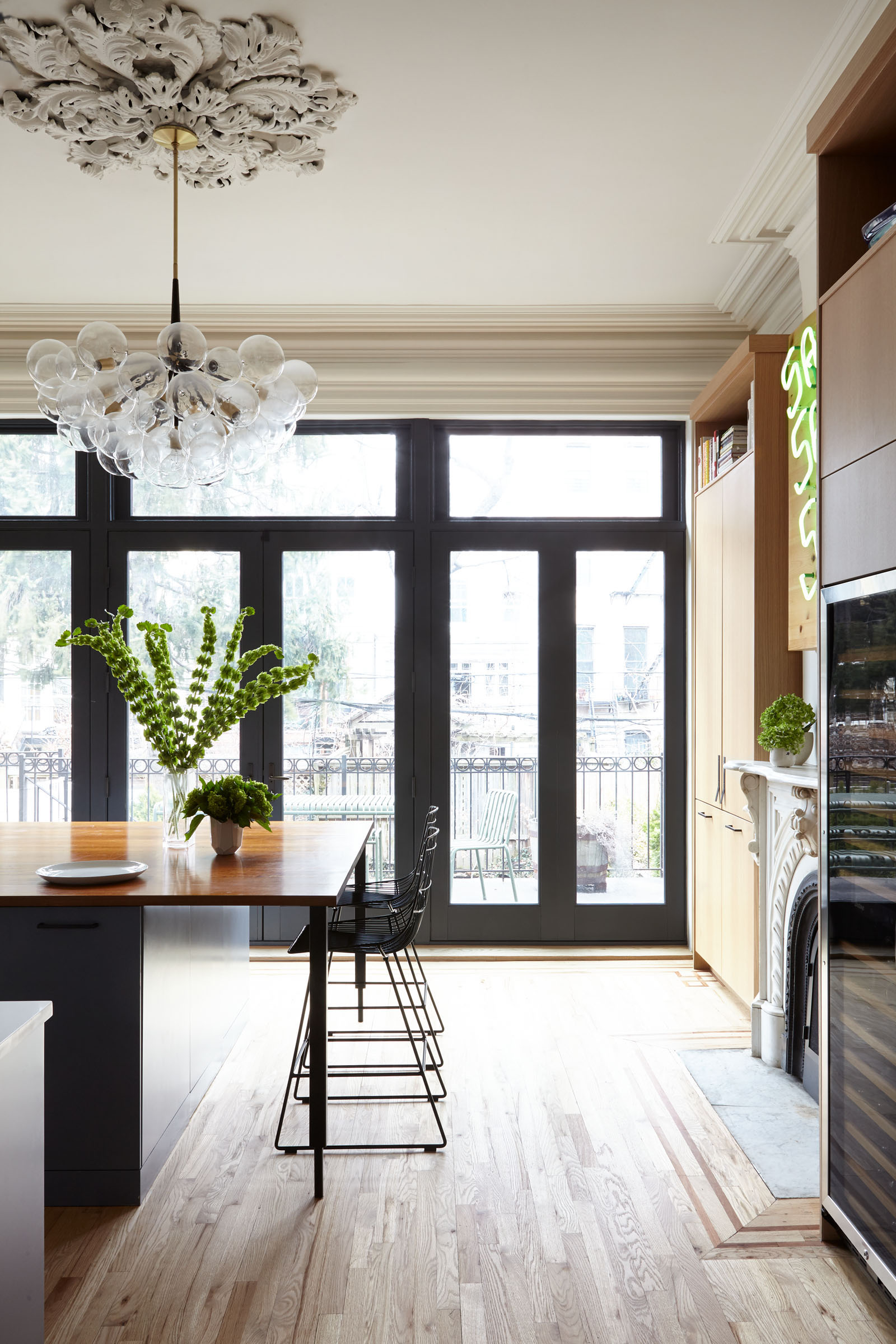
How thoughtful architecture can reduce stress and promote well-being.
In today’s fast-paced world, our homes can either contribute to stress or serve as a sanctuary. Architecture has the quiet power to influence mood, energy, and mental clarity - turning living spaces into environments that actively reduce stress and promote well-being.
Light, Air, and Flow
Natural light is one of the simplest and most effective tools for stress reduction. Bright, well-lit interiors help regulate circadian rhythms and improve overall mood. Strategically placed windows, skylights, and open layouts allow sunlight to penetrate deep into the home, while careful room organization encourages smooth circulation and reduces visual clutter.
Connection to Nature
Biophilic design—the practice of integrating nature into architecture—has measurable benefits for mental health. Views of greenery, water, or gardens, as well as indoor plants, create a calming backdrop for daily life. Even small terraces, balconies, or light wells can provide a sense of openness and connection to the outdoors, reducing feelings of confinement.
Spaces for Pause and Reflection
Homes that encourage intentional pauses help residents decompress. Quiet corners, window seats, or meditative nooks give people space to read, reflect, or simply breathe. Thoughtful proportions and subtle textures can enhance these moments of rest, making the home feel less like a collection of rooms and more like a supportive environment.
Material Choices That Calm
Natural materials—wood, stone, and soft textiles—engage the senses and promote tactile comfort. Light, neutral color palettes, coupled with simple, clean lines, reduce visual noise and allow the mind to rest. Using materials honestly and intentionally can create a home that feels grounded and authentic, a key component in lowering stress.
The Psychological Effect of Design
Ultimately, stress-reducing architecture is about creating environments that nurture the human experience. Spaces designed with light, nature, flow, and texture in mind allow residents to feel more present, more relaxed, and more in control of their time and energy.
By prioritizing well-being in every design decision, architecture becomes more than shelter - it becomes a tool for restoring balance, cultivating calm, and enhancing quality of life.
LOSAI STUDIO