Renovating Historic Restaurants in NYC
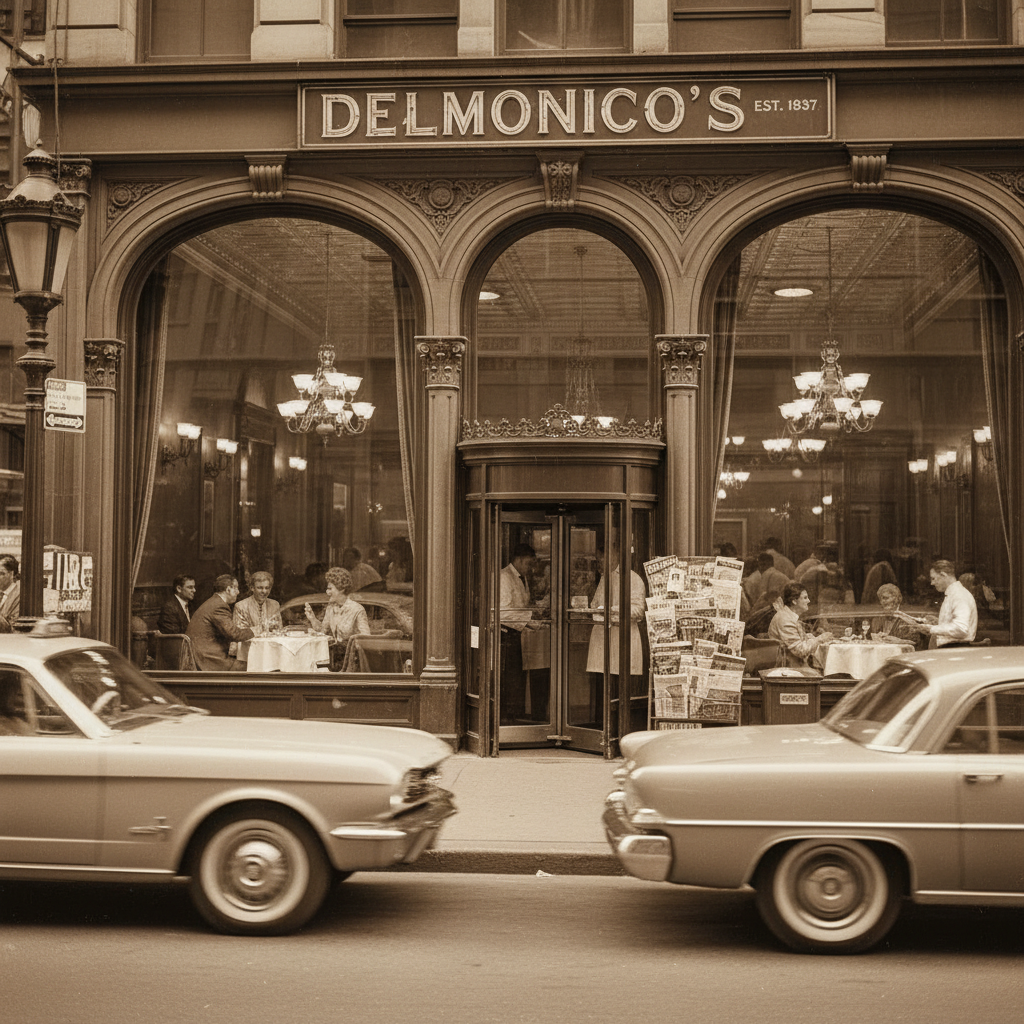
Historic restaurants possess an intangible essence, a "soul," that distinguishes them as landmarks and portals to the past, beyond just being places to eat. Renovating these establishments in New York City involves a delicate balance between honoring history and ensuring future viability.
A Bite of History - NYC's Culinary Time Machine
NYC's restaurant scene has a rich history, evolving from 19th-century chophouses like Delmonico's (est. 1837), which pioneered fine dining and served as social and commercial hubs. The demolition of Penn Station in the 1960s was a catalyst for historic preservation, leading to the creation of the NYC Landmarks Preservation Commission (LPC) in 1965.
The LPC acts as a guardian of historic buildings, including restaurants, protecting them from demolition and homogenization. Fraunces Tavern in the Financial District is cited as an example of early restoration efforts, meticulously recreated to reflect its colonial past.
The Regulatory Recipe - Navigating the LPC Maze
The LPC is a crucial entity for anyone undertaking renovations on a landmarked restaurant, known for its strict and demanding approach to protecting historical character.
Navigating LPC processes involves understanding various permit types:
- Certificates of No Effect (CNE): For subtle internal changes (e.g., lighting, POS systems).
- Permits for Minor Work (PMW): For small exterior changes (e.g., window frames, cornices).
- Certificates of Appropriateness (CofA): For significant changes impacting historical character, requiring public hearings and community board input.
The LPC is undergoing modernization, with initiatives to streamline processes:
- Portico Online: Mandating online applications for permit submissions.
- Speedier Approvals: Allowing staff-level approval for minor work and some outdoor dining setups (with strict guidelines).
New regulations impacting existing buildings are forthcoming:
- New NYC Existing Building Code (Effective Nov 2025): Will govern alterations, repairs, and sustainability, affecting accessibility and fire safety.
- "Major Building" Redefined (Effective Dec 2024): Expands the definition, bringing more buildings under stricter safety guidelines and requiring licensed Site Safety Managers.
The Design Dish - Blending Old School with New Cool
Renovating historic restaurants requires sensitivity, focusing on revealing inherent beauty and adapting to contemporary needs.
- History Detective Work: Thorough research into the building's past (era, architectural styles, past patrons, stories) is essential, utilizing old photographs, archives, and local historians.
- Spotlighting Originals: Restoring and celebrating original features is paramount. Examples include Gage & Tollner's circa-1919 revolving door and gas lamps, and Fraunces Tavern's cleaned brickwork and restored marble portico. Exposing original elements like brick, beams, and molding is key.
- Modern Magic, Discreetly Done: The challenge lies in integrating necessary modern amenities (sprinklers, HVAC, accessibility ramps) without detracting from historical character.
- Creative Solutions: Clever and creative integration is emphasized. The View restaurant's 2025 redesign by Rockwell Group aims for "contemporary nostalgia."
- "Talking to the Building": Design choices should be inspired by the space itself. Examples include The Grill and The Pool in the Seagram Building honoring Philip Johnson's 1959 interiors, and Torrisi in the Puck Building evoking classic Little Italy.
Money Matters - Funding Your Historic Feast
Renovating landmarks is often more expensive than new construction due to old materials, intricate details, and unexpected structural issues.
Funding options include:
- Preservation Pals: Low-interest loans from organizations like the New York Landmarks Conservancy.
- SBA Loans: SBA 7(a) loans and Microloans for real estate acquisition, working capital, and equipment.
- NYC's Own Goodies: Support from the NYC Small Business Opportunity Fund and Community Development Financial Institutions (CDFIs).
- Grants:
- "Backing Historic Small Restaurants" grants (e.g., from American Express and National Trust for Historic Preservation, offering up to $50,000).
- Mayor's Fund Restaurant Revitalization Program.
The Renovation Rundown - Expert Help & Avoiding Headaches
Renovating historic restaurants is complex and prone to pitfalls.
- Controversy Corner: The Four Seasons saga highlights the importance of respecting architectural integrity, where preservationists and the LPC prevented the removal of a historic bronze partition. Discussions around modern design in landmarked spaces like Delmonico's can also be contentious.
- Evolving Regulations: There's a debate about whether LPC rules have become too permissive or if streamlining permits (especially for outdoor dining) is necessary for business survival.
Assembling a Dream Team: Professional expertise is crucial.
- Licensed Architect/Preservation Consultant: Essential for navigating LPC approvals, developing compliant designs, and understanding regulations.
- Specialized Contractors: Experienced in working with historic buildings, handling delicate materials, and addressing issues like old wiring, asbestos, or structural deficiencies. Reputable firms include MFS Construction, Scordio Construction, and Nova Construction Services.
More Than Just Bricks and Mortar – It's a Legacy
- Renovating a historic NYC restaurant is a labor of love, focused on continuing a story and preserving a taste of the past for future generations.
- These buildings are living entities connecting us to the city's history.
- With careful planning, the right team, patience, and respect for its "soul," a historic restaurant can thrive for another century, becoming a cherished landmark.
Schedule your complimentary sustainable restaurant design consultation today.

LOSAI STUDIO