Modern Country Home Design Trends
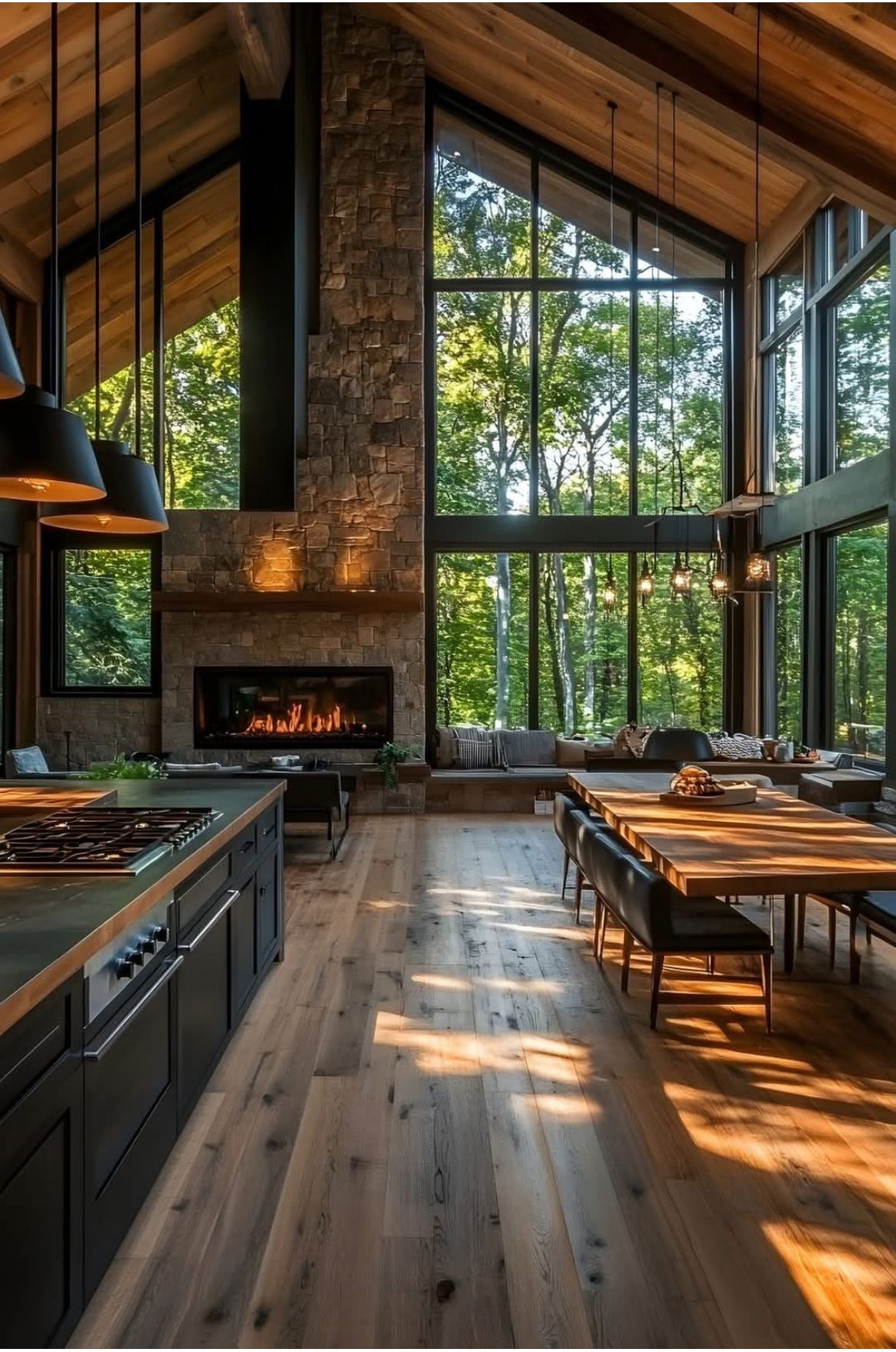
Modern Country Home Design Trends
How contemporary retreat homes are redefining quiet luxury
The idea of the country home has evolved. What was once defined by rustic details and traditional forms has given way to homes that feel calmer, more intentional, and deeply connected to their surroundings.
Search interest in modern country home design continues to grow as more people build second homes in places like the Hudson Valley and the Berkshires. Today’s buyers aren’t trying to recreate the past—they’re designing homes that support slower living, meaningful time together, and a sense of ease that lasts.
Below are the key modern country home design trends shaping how today’s retreat homes are being imagined and built.
Modern Forms, Rooted in Rural Tradition
Rather than bold architectural statements, modern country homes often reinterpret familiar rural forms—barns, farmhouses, and outbuildings—through a contemporary lens.
Common characteristics include:
- Simple, composed massing
- Restrained rooflines inspired by agricultural buildings
- Minimal detailing paired with refined, tactile materials
This approach allows homes to feel modern while still belonging to their landscape and local context.
A Deeper Relationship to the Landscape
In modern country home design, the site is never secondary to the architecture.
Design strategies often include:
- Long horizontal windows that frame specific views
- Courtyards and sheltered outdoor rooms
- Sitings that follow natural topography rather than flattening it
The goal is not to dominate the landscape, but to live within it—quietly and comfortably.
Natural Materials That Age Gracefully
Material palettes in modern country homes emphasize honesty, durability, and time.
Frequently used materials include:
- Wood left to weather naturally
- Locally sourced or regionally appropriate stone
- Limewash, plaster, and warm interior finishes
These materials patina rather than wear out, reinforcing a sense of permanence that’s especially important in second homes.
Calm, Restrained Interiors
Interiors are increasingly defined by restraint rather than decoration.
Key trends include:
- Fewer, more intentional rooms
- Integrated storage to reduce visual clutter
- A limited, cohesive palette of materials and colors
Instead of maximizing square footage, modern country homes prioritize light, flow, and how spaces make you feel over time.
Indoor–Outdoor Living, Reconsidered
Indoor–outdoor living in modern country homes is designed for more than just summer weekends.
Common approaches include:
- Covered terraces and screened porches
- Large openings that dissolve the boundary between inside and out
- Outdoor rooms designed for shoulder seasons and changing weather
These transitions extend the life of the home across seasons rather than limiting it to peak months.
Performance Without Visual Noise
Modern country homes increasingly integrate high-performance systems without letting technology define the aesthetic.
Design priorities often include:
- Highly insulated building envelopes
- All-electric systems and radiant heating
- Thoughtfully integrated solar where appropriate
The emphasis is on quiet comfort and efficiency—not visible machinery.
Flexible Spaces That Adapt Over Time
Today’s country homes are designed to evolve with their owners.
Examples include:
- Guest suites that function independently when needed
- Dedicated workspaces that feel permanent, not improvised
- Rooms designed to shift use as lifestyles change
Flexibility ensures the home remains relevant—and deeply livable—for decades.
Why These Modern Country Home Trends Matter
Modern country home design isn’t about chasing trends. These shifts reflect a broader desire to live more intentionally when stepping away from the city—more quietly, more comfortably, and more connected to place.
Homes designed with these principles tend to feel timeless rather than fashionable, and restorative rather than impressive.
A Conversation About Your Design Vision
Designing a modern country home begins long before drawings—it starts with a shared understanding of how you want the home to feel, how you want to live there, and what kind of atmosphere will support your time away.
If you’re considering a custom country or vacation home, we invite you to schedule a consultation to talk through your design vision—your site, your rhythms, and the experience you want to return to, again and again.
LOSAI STUDIO