Bringing Hamptons Style & Elegance Home: An Architect's Guide to Coastal Chic in Any Environment
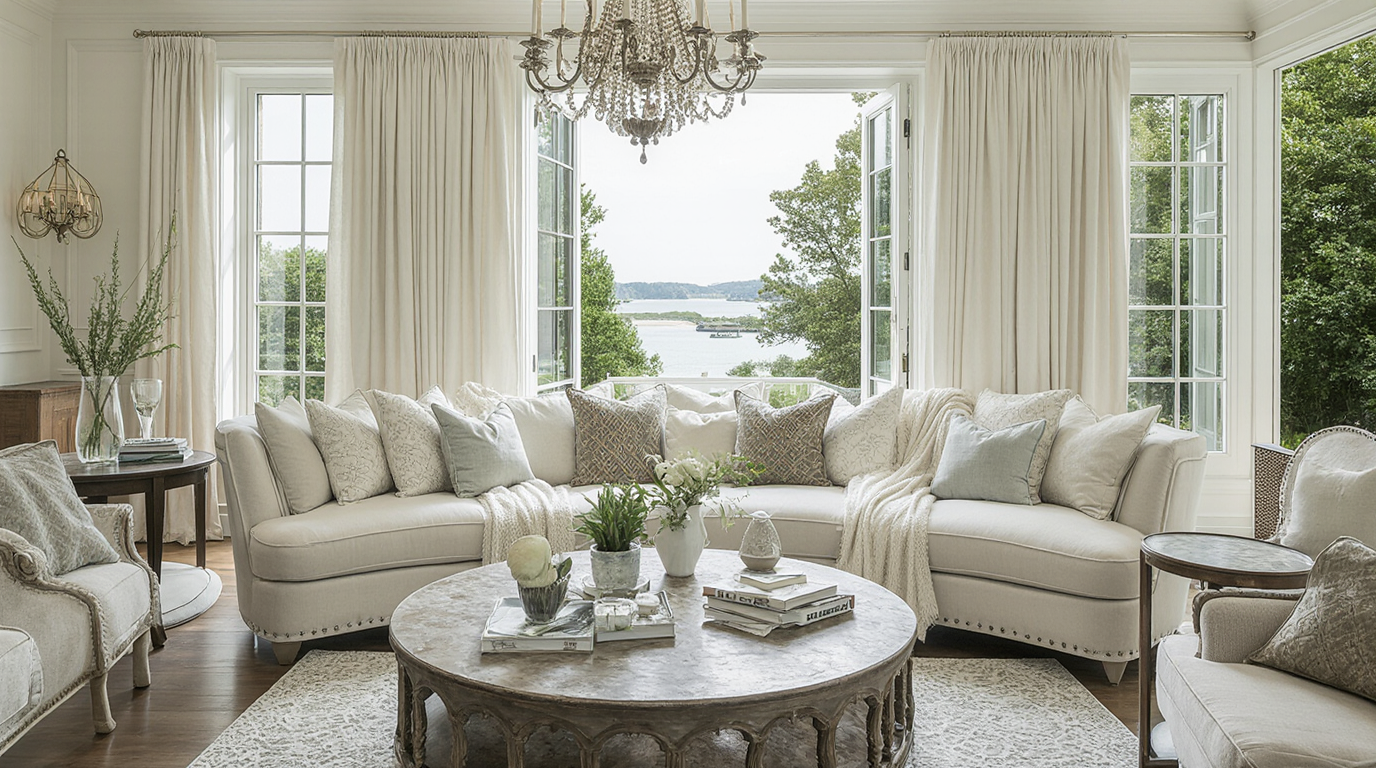
Drawing on two decades of experience as an architect in NYC, this guide offers practical advice for infusing your home with the timeless "Hamptons elegance," even in urban environments. Discover how to create spaces that are both sophisticated and supremely comfortable.
The Core of Hamptons Style
- Relaxed Coastal Comfort: Elegant yet unpretentious, prioritizing comfort and a sense of unwinding.
- Classic Elegance: Achieved through quality materials, thoughtful proportions, and a harmonious palette, drawing from traditional influences for enduring appeal.
- Light & Airy Spaces: Maximizing natural light through large windows, open layouts, and a light color scheme is paramount, considered the most luxurious material.
- Indoor-Outdoor Flow: Blurring the lines between interior and exterior spaces through elements like French doors or greenery.
Crafting the Hamptons Palette
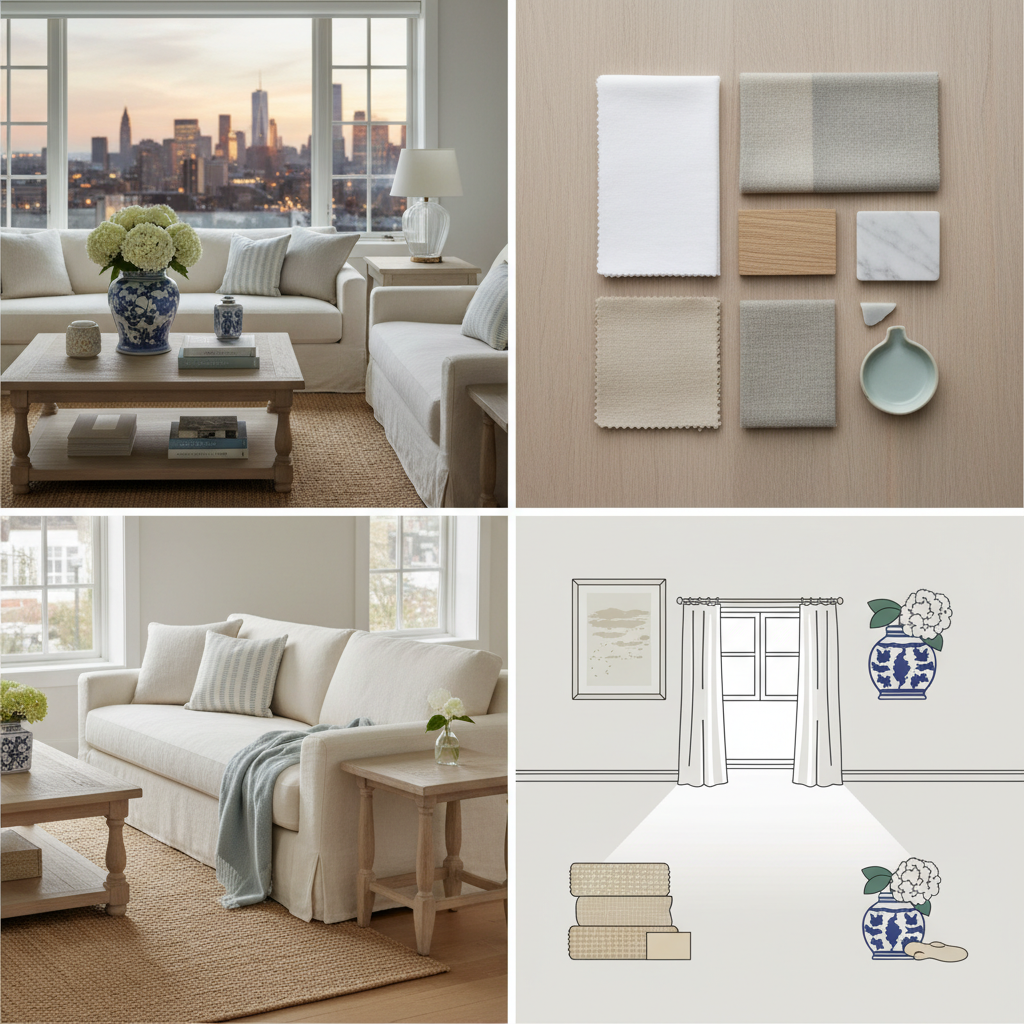
The foundation of Hamptons style lies in its serene color palette, designed to evoke light, space, and tranquility.
Core Colors (Foundation)
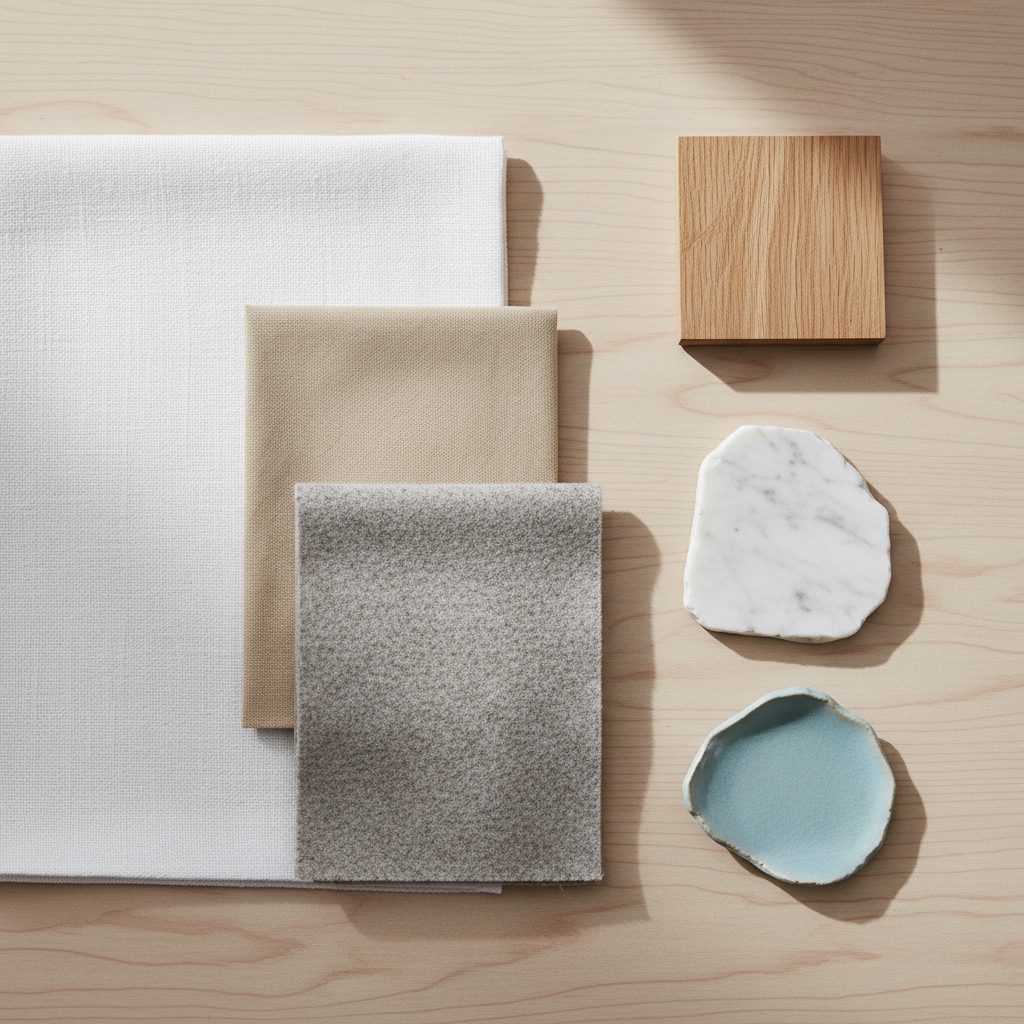
Dominated by crisp whites and soft neutrals (creams, soft greys, sandy beiges, taupes, 'greige') to create a light, airy, and spacious backdrop. Consider shades like Wattyl Wicker White, Dulux Natural White, Dulux Hog Bristle, and Wattyl Igloo for whites, and subtle greys and beiges for neutrals. Apply these to walls, trim, and ceilings for a cohesive base.
Accent Colors (Ocean's Whisper)
Introduce oceanic hues like soft sky blues, duck egg blue (e.g., Dulux Angora Blue), rich navies, and muted blue-greys. Natural greens such as seafoam, celadon, and muted sage greens also work beautifully. Use these strategically through textiles, artwork, and ceramics.
Colors to Avoid
Steer clear of vibrant reds, electric blues, bold yellows, and overly saturated tones that disrupt the calming ambiance.
2. Furnishing for Comfort and Class
Furniture in Hamptons design prioritizes both comfort and timeless elegance, often with a relaxed, inviting feel.
Key Furniture Pieces
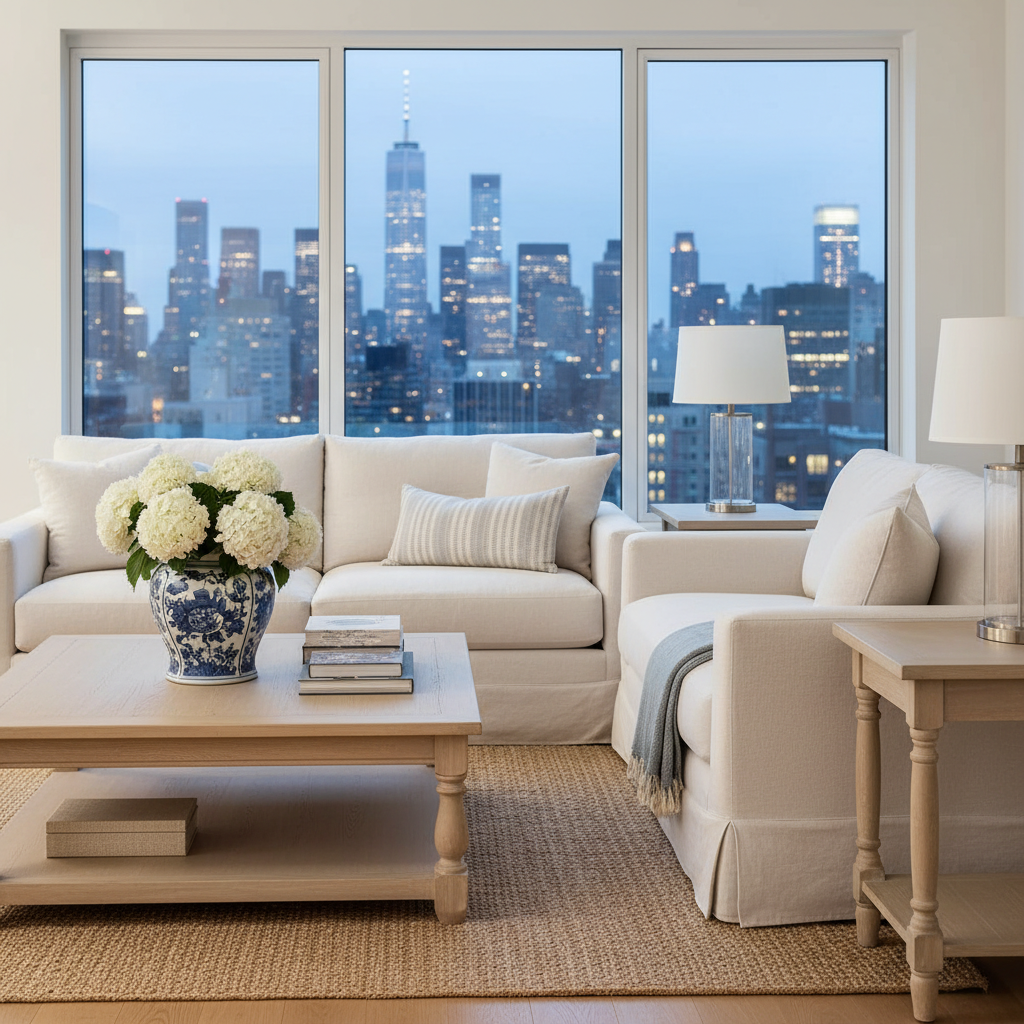
- Oversized & Slipcovered Sofas: Deep, plush, and inviting, often in linen or cotton, offering relaxed elegance and practicality.
- Deep Armchairs & Occasional Seating: Complementary seating, potentially in woven rattan or wicker for textural warmth.
- Timber Furniture: Light, whitewashed, or lightly stained timbers (like oak) for coffee tables, dining tables, and sideboards, featuring classic details.
- Rattan & Wicker Accents: Used for consoles, side tables, and decorative baskets to add an organic, breezy feel.
- Bedroom Essentials: Upholstered headboards (linen or soft neutral), timber bedside tables, and comfortable beds.
- Kitchen & Dining: Classic Shaker-style cabinetry in white or soft neutrals, large islands with substantial countertops, and elegant timber dining tables with upholstered or rattan chairs.
Scale and Proportion
Crucial for fitting furniture appropriately into spaces, especially in challenging urban dimensions, ensuring a harmonious flow.
3. Layering Natural Materials and Architectural Details
The tactile experience of a Hamptons home is defined by its rich array of natural textures and classic architectural elements.
Natural Fabrics
Linen and cotton are primary for upholstery, curtains, cushions, and throws, offering drape, breathability, and relaxed elegance.
Hard Surfaces & Finishes
- Timber Flooring: Light or whitewashed timber, or dark stained timber for contrast.
- Stone & Marble: Carrara marble countertops for kitchens and bathrooms, providing classic luxury.
- Shiplap & Wainscoting: Architectural details that add coastal charm, character, and depth.
- Hardware: Brushed nickel, chrome, or matte black finishes for cabinetry and doors for clean sophistication.

4. Curating Accessories and Lighting
The final touches bring personality and warmth, enhancing the light and coastal feel.
Decorative Objects
Incorporate blue and white ginger jars and ceramics, subtle coastal motifs (shells, coral), elegant trays (rattan, pewter, glass), and glass vases/bowls to reflect light.
Lighting
- Statement Lighting: Pendant lights in glass, brushed metal, rattan, wicker, or with rope accents over dining tables or kitchen islands.
- Table & Floor Lamps: Nickel, glass, or ceramic bases with linen or cotton shades for ambient lighting.
- Emphasizing Natural Light: Strategic mirror placement to amplify light and create the illusion of space.
Textiles & Art
Layered rugs (jute/sisal base with cotton dhurries), coastal-inspired artwork (seascapes, botanical prints), and fresh greenery/flowers (ferns, palms, hydrangeas, orchids) to add life and connect indoors with outdoors.
5. Adapting the Dream for Every Home
Room-by-Room Application
- Living Rooms: Focus on oversized sofas, layered rugs, and timber coffee tables.
- Bedrooms: Create serene retreats with upholstered headboards and soft linens.
- Kitchens: Implement Shaker cabinetry, marble countertops, and statement pendant lights.
- Outdoor Spaces: Use wicker/rattan furniture, comfortable cushions, and lanterns.
Urban Hamptons (NYC Specific)
- Maximizing Light: Utilize mirrors, sheer curtains, and pale palettes.
- Strategic Scale: Choose appropriately scaled furniture, even if deep and comfortable.
- Verticality: Emphasize high ceilings with tall curtains or architectural details.
- Clever Storage: Integrate hidden storage solutions to maintain a clutter-free look.
- Budget-Friendly Hamptons: Make smart choices, prioritize key investment pieces, and creatively source accessories.
Modern Hamptons & Australian Twists
The style evolves with cleaner lines (Modern Hamptons) or a more rugged, relaxed feel (Australian Hamptons), showcasing its versatility.
Transform Your Space
With two decades of experience in NYC, our boutique architecture and interiors firm specializes in high-end residential, multi-family, and hospitality projects. We offer concierge-style service to bring your vision to life.
Contact Us for a Free Consultation on how you can style your Hamptons home
Q&A: Your Hamptons Home Style Questions Answered
What are the must-have elements for Hamptons style?
Is Hamptons style feasible for a small apartment?
What is the ideal color palette?
What kind of furniture and materials should I look for?
How do accessories contribute to the style?
Is achieving Hamptons style in NYC always expensive?

LOSAI STUDIO