A Design Lover's Guide to the Most Iconic Restaurants in NYC

Understanding and appreciating the iconic restaurant interiors of New York City has a whole new meaning as an Architect. These spaces are more than just dining rooms; they are meticulously crafted worlds that tell stories through design, blending innovation with respect for history. The post categorizes iconic interiors into several themes: Historic & Classic Icons, Modern Masterpieces, Thematic & Experiential Design, and Luxury Dining.
The Enduring Grandeur: Historic & Classic NYC Icons
This section focuses on restaurants that embody NYC's rich design heritage, where design is a living testament to history.
Katz's Delicatessen
Represents the "Classic NYC Deli" aesthetic, characterized by functional beauty. Key elements include bold block-letter neon signs, sturdy wooden tables, classic spindle-back chairs, deep-hued vinyl booths, faded photographs on walls, utilitarian subway tile, and laminate counters, all contributing to a "historic" and "timeless" vibe.
Keens Steakhouse & Peter Luger
Define the "Upscale NYC Tavern" genre with a "polished heritage" style. Features include tin ceilings, robust exposed brick, aged woodwork, crisp white linens, and burnished leather banquettes. The palette is warm neutrals with "moody lighting" for ambiance and intimacy.
Grand Central Oyster Bar & Restaurant
Located within Grand Central Terminal, it boasts "architectural significance" with a stunning vaulted, Guastavino-tiled ceiling. It exhibits "Art Deco" influences and offers an "atmospheric" and "historic" dining experience.
Bemelmans Bar at The Carlyle
Exemplifies "Gilded Age glamour" and "Art Deco sophistication." It features whimsical murals, rich textures, and flattering low lighting, creating a "glamorous" and "cinematic" atmosphere.
Architect's Insight (Historic):
Working with historic structures in NYC involves navigating stringent NYC Department of Buildings (DOB) and Landmarks Preservation Commission (LPC) regulations. Every design decision is scrutinized. Architects must respect the building's legacy (e.g., authentic wood paneling, original mosaic tile floors, fresco restoration) while integrating modern safety, accessibility, and functional needs. This meticulous craftsmanship is crucial for compliance, structural integrity, and long-term ROI.
Crafting Contemporary Narratives: Modern Masterpieces with a NYC Soul
This section explores contemporary NYC restaurant interiors that define a new kind of iconic through innovation.
Oiji Mi (Flatiron District)
A "modern concept" blending "Korean (hanok-referenced)" design with subtle "modern Gilded Age touches." Features include wooden daecheong flooring, custom lighting inspired by Korean jewelry, mirrored and tinted metal panels, warm walnut accents, and rich fabrics, creating a "visually captivating" and "elegant" space.
Ci Siamo
Embodies "soft modernism" and "warm minimalism." Design focuses on natural textures like glazed ceramic tiles, intricate marble mosaic flooring, and blown glass, complemented by a warm lighting scheme for a "cozy" and "design-forward" feel.
Le Rock (Rockefeller Center)
Adopts a "post-industrial aesthetic" with an amber-hued illuminated bar and "sculptural lighting." A bold sea green divider adds color, demonstrating how "Brutalist" influences can be softened by "elegant lighting" and refined materials for a "dramatic" yet "chic" setting.
Cucina Alba (Chelsea)
Harmoniously combines "Italy-informed decorative elements" with sleek modern furniture. "Parachute-like textiles" hanging from the ceiling create intimacy, while "stone details" at the bar ground the space, achieving an elegant balance.
Architect's Insight (Modern):
Modern iconic spaces are the result of strategic vision, focusing on creating a memorable experience that resonates with brand identity and drives long-term ROI. This involves designing spaces that are beautiful, memorable, and functional, potentially leveraging elements like "exposed beams" or "reclaimed wood flooring" and elevating them with custom fixtures. Creativity within budget constraints can lead to "design-forward" solutions that stand out.
Immersion and Escape: The Power of Thematic and Experiential Design
This section highlights restaurants that use design for a complete sensory journey, offering an escape from the city.
Indochine
Perfects "thematic restaurant design" with a "French colonial home aesthetic" in Vietnam. Features include tall potted palms, rattan furniture, and lively palm frond wallpaper, creating a "Bohemian," "thematic" escape.
Oscar Wilde
Features an "eclectic Victorian-styled" interior with an 1840s French fireplace, NYC's longest bar, Victorian Gothic lamps, antique clocks, and curated art. This creates a "quirky," "opulent," and "dramatic" immersive historical fantasy.
Tán (Midtown East)
Executes a "Tulum-inspired design" with "woven bamboo walls," "terracotta accents," rattan furniture, and warm, "earthy paint tones," creating an "immersive" and "visually captivating" haven.
Magic Hour NY & Pietro Nolita
Demonstrate how strong, "quirky" themes create powerful brands. Magic Hour features a "fantastically pink floral carousel," while Pietro Nolita is "wall-to-wall pink," making them destinations in themselves and highly "Instagrammable."
Architect's Insight (Thematic/Experiential):
Creating an escape often requires interpreting zoning laws creatively for unique installations. Designing for "thematic restaurant design" and "experiential dining" involves meticulous planning, coordination with artists/fabricators, and seamless integration with structural elements and fire safety regulations. Flawlessly executed "immersive" designs strengthen brand identity and improve long-term ROI by becoming destinations.
The Pinnacle of Polish: Luxury Dining and Elevated Aesthetics
This section focuses on high-end dining where design elevates every moment into an event.
Buddakan (Meatpacking District)
Features a "lavish duplex" design with a grand staircase, soaring vaulted ceilings, and rich dark wood panels, creating a "glamorous" and "luxurious" setting. "Dramatic pendants" and "chandelier processions" enhance the "opulence."
Hawksmoor (near Gramercy Park)
Showcases "stately New York elegance" with 26-foot ceilings, original stained glass windows, and archways. The interior uses a rich palette of espresso-toned wood and plush hunter green banquettes, highlighting "rich fabrics" and "aged woodwork."
La Mercerie (designed by Roman and Williams)
Offers an "opulent" yet refined aesthetic with "frescoed arches," "earthy paint tones," and "curated bohemian decor," creating a "chic" and "elegant" French-inspired atmosphere for "beautiful brunch."
The River Café & One if by Land, Two if by Sea
Create intensely "romantic settings" with "elegant dining rooms." Features include "candlelit shadows," baby grand piano music, brick fireplaces, private gardens, and "NYC skyline views."
Architect's Insight (Luxury):
High-end projects require a servizio di portineria approach, with meticulous planning and execution of every detail, from bespoke furnishings and lighting to marble counters and velvet banquettes. Designing for "luxury restaurant design" in NYC involves sourcing high-quality materials, coordinating specialist artisans, and integrating sophisticated systems within urban constraints to deliver "bespoke restaurant furnishings" and an unparalleled experience.
The Architect's Lens: Strategic Design for Lasting Impact in NYC
This section summarizes the underlying principles of successful NYC restaurant design and the architect's role.
- Consistent Principles: Successful designs, regardless of style (historic to modern), share a clear concept, meticulous material selection, thoughtful lighting, and optimized spatial flow.
- NYC as a Catalyst: NYC's unique environment (historic buildings, compact footprints, diverse influences) fuels creativity, leading to unique "iconic" designs.
- Navigating Regulations: The firm excels in "NYC Department of Buildings / Zoning," transforming obstacles into a foundational step for success. Understanding permits and compliance ensures projects move smoothly, avoiding costly delays.
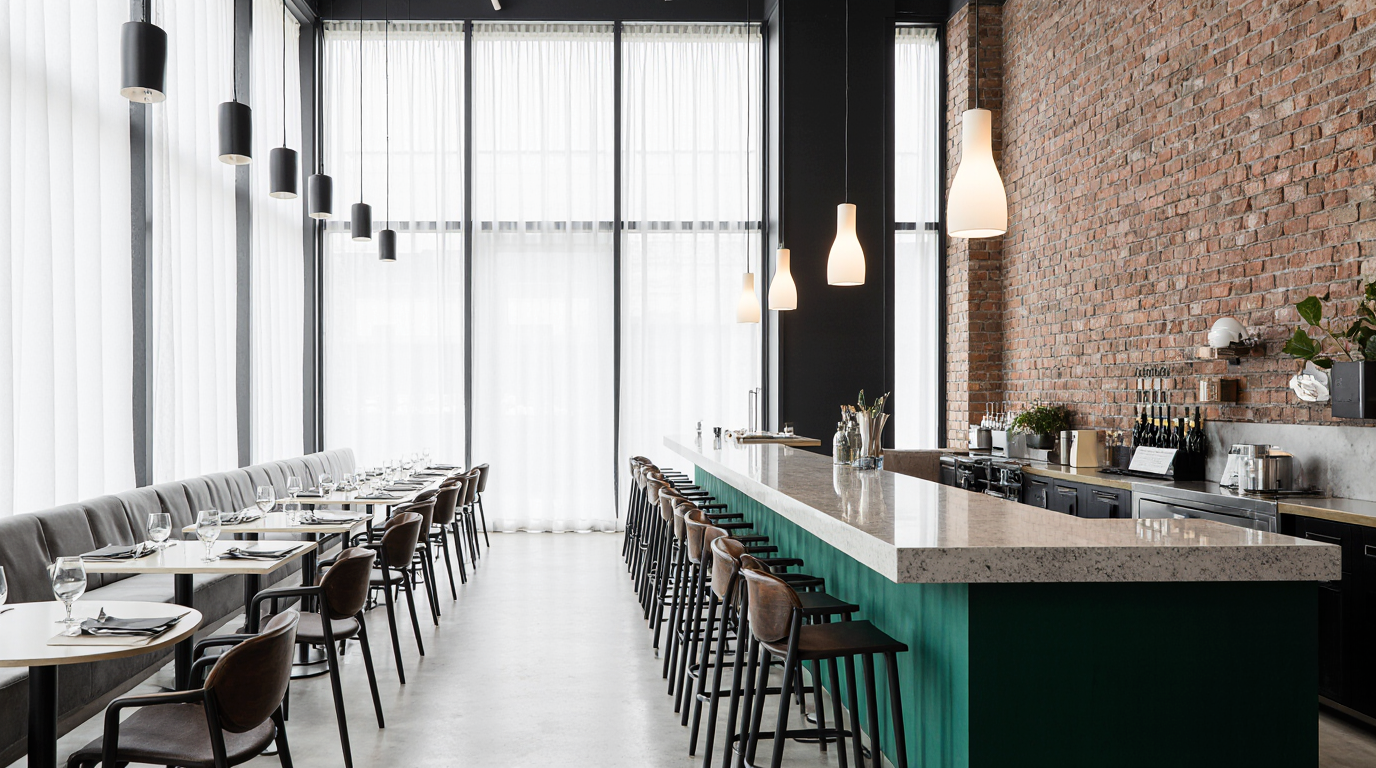
- Budget Constraints Fuel Creativity: Clever material choices, strategic lighting, and innovative layouts can achieve a high-end look without excessive spending, enhancing "long-term ROI." Examples include smart use of "utilitarian lighting" and leveraging "exposed brick."
- Concierge Service: The firm guides clients through every step of "hospitality design" and "luxury residential" projects, ensuring visions are met and exceeded with precision and strategic foresight.
The author invites readers to contact their firm for expertise in crafting iconic NYC spaces, highlighting over 20 years of NYC architectural experience, understanding of DOB compliance, and maximizing ROI through thoughtful design.
Gallery of Iconic Interiors
FAQ Section
Q1: What defines an "iconic" restaurant interior in NYC?
A space that tells a story, embodies a distinct "design style" (e.g., "Art Deco," "Classic NYC Deli," "Modern Concept"), utilizes memorable "interior elements" (e.g., "tin ceilings," "velvet banquettes," "sculptural lighting"), and creates a lasting "atmospheric" or "experiential" impression.
Q2: How do NYC building codes and zoning laws impact restaurant interior design?
They dictate occupancy loads, fire safety, accessibility (ADA), and structural modifications, especially for "adaptive reuse" or "historic" buildings. Navigating these "specific challenges of NYC" ensures compliance and smooth project progression.
Q3: Can a small budget still achieve an "elegant" or "visually captivating" restaurant design in NYC?
Yes, through strategic choices in "utilitarian lighting," clever use of "exposed brick," high-impact "lively wallpaper," or selective "luxe finishes." Smart planning and experienced design are key.
Q4: What are some current trends in "modern NYC restaurant interiors"?
Trends include "soft modernism," "warm minimalism," "blonde/light-tone wood," "terracotta accents," "earthy paint tones," and "experiential dining" with "thematic restaurant design" (e.g., "Tulum-inspired," "Korean hanok-referenced") and custom elements like "dramatic pendants."
Q5: How does good restaurant design contribute to a business's "long-term ROI"?
It creates a memorable "guest experience" that "strengthens brand identity," encourages repeat visits, drives social media engagement, optimizes staff workflow, reduces maintenance costs, and attracts target clientele, leading to greater profitability and legacy.
Contact Us for a Consultation
LOSAI STUDIO