Crafting Extraordinary: The Themed Restaurant
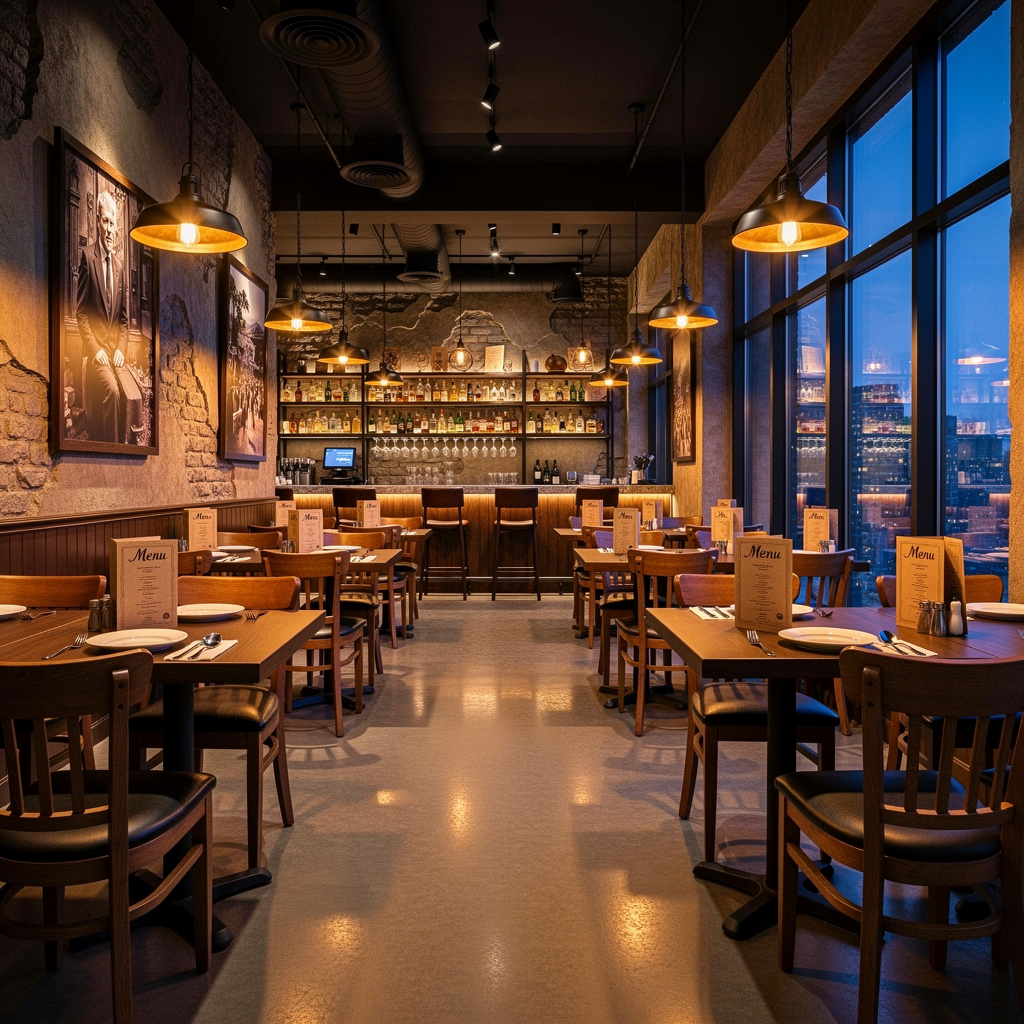
Building immersive, transportive dining experiences that drive long-term ROI in competitive markets like NYC.
Table of Contents
- I. Building Your Narrative
- II. The Art of Subtlety
- III. Seamless Integration
- IV. Technology as Your Co-Conspirator
- V. Conclusion & Call to Action
- VI. FAQ Section
The Core of the Restaurant Concept
The foundation of a sophisticated themed restaurant is a compelling, cohesive, and authentic concept that tells a story. A successful theme is not a gimmick but a meticulously crafted world.
- Cohesive and Authentic Concept: The theme should define the brand's soul, not just be a superficial choice.
- Target Audience Identification: Define your audience (e.g., discerning diners vs. families seeking refined adventure).
- Example: "Literary Speakeasy": Evokes a grand private library or clandestine literary salon through subtle, hidden entrances, intimate lighting, and literature-inspired craft cocktails.
- Alignment with Brand and Menu: Deep alignment between theme, brand, and menu is crucial to avoid tackiness.
- Narrative as a Guiding Star: A strong narrative guides smart, impactful design choices, especially with budget constraints.
Crafting an Immersive Ambiance
Subtlety is paramount in transforming an idea into a tangible, sensory experience, creating an all-encompassing atmosphere rather than an overloaded one.
- Premium Materials and Finishes:
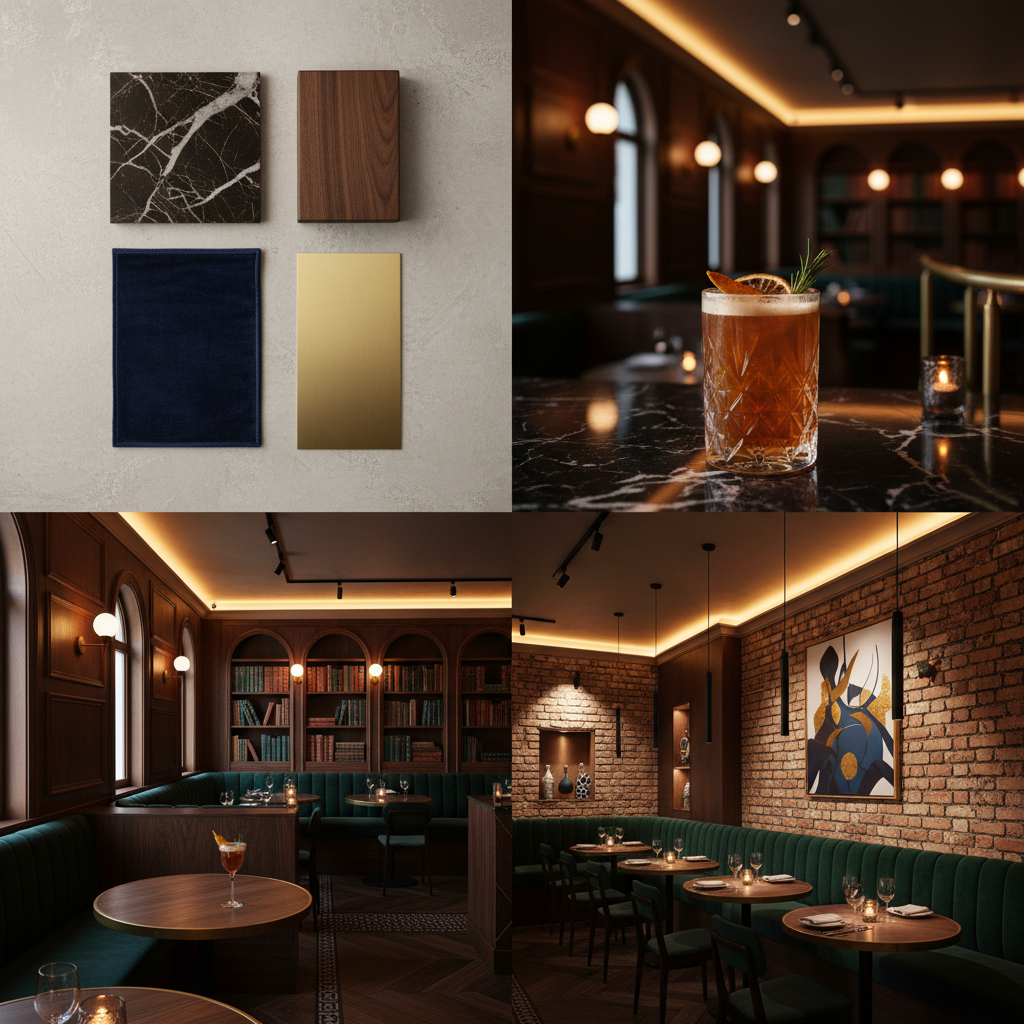
- Foundation for sophistication. Examples: Marble interiors, rich dark wood, polished metals (brass, nickel), sumptuous fabrics (velvet, leather). These elevate perceived value and comfort. For a "Secret Garden" theme: natural stone, real greenery, high ceilings, natural light.
- Strategic Lighting Design:
- Shapes emotion and mood. Use a layered approach: ambient for warmth, task for functionality, accent for highlights. Dimmable systems offer flexibility. For a "Celestial Observatory" theme: fiber optic lighting in a domed ceiling to mimic stars.
- Color Palettes and Textures:
- Avoid primary colors; opt for sophisticated palettes like moody dark hues (deep grays, navy blues, forest greens) or soft neutrals with metallic accents. Balance with rich textures: exposed brick, reclaimed wood, polished concrete. Goal: Visual richness that feels curated, not chaotic.
- Sensory Engagement Beyond Sight:
- Curated background music (e.g., jazz in a speakeasy, classical in a library), subtle signature scents, and the texture of tableware contribute to immersion. Avoid jarring sounds or overwhelming aromas.
Every Detail a Chapter in Your Story
Consistency across every touchpoint is key to a successful themed restaurant, requiring a blend of operational understanding and design expertise, especially considering NYC's building and zoning regulations.
- Menu and Culinary Storytelling:
- The menu is a thematic extension. Dish names, ingredient sourcing, and presentation should reinforce the theme. Examples: "Celestial Observatory" serving molecular gastronomy mimicking nebulae; "Artisanal Workshop" emphasizing seasonal, local, handmade dishes.
- Staff Uniforms and Service Style:
- Staff attire should complement the theme thoughtfully, not be a caricature. Examples: Sleek uniforms for "Artisanal Workshop"; refined period ensembles for "Time Capsule." Concierge-style service enhances the guest journey.
- Functional Layout and Comfort:
- Prioritize guest comfort and operational efficiency. Ingenious solutions for spacious layouts or intimate arrangements are necessary in NYC. Ensure comfortable seating, optimal acoustics, and logical flow, navigating NYC Department of Buildings codes.
- Branding and Digital Presence:
- Logo, website, and social media should embody the theme's essence. Strong, consistent branding builds anticipation and loyalty.
Technology as Your Co-Conspirator, Not a Crutch
Technology should subtly enhance the environment, not feel cheap or distracting.
- Projection Mapping and Dynamic Visuals:
- Walls, ceilings, or tabletops can become dynamic canvases. Examples: "Secret Garden" with dappled sunlight projections; "Celestial Observatory" with shifting galaxies. Allows for adaptability and fresh experiences.
- Advanced Soundscapes:
- Curated sound design transports guests. Examples: Gentle stream sounds in a garden theme; distant jazz murmur in a speakeasy. Deepens immersion without being intrusive.
- Interactive and Augmented Elements:
- Discreet AR elements (via phone) can offer subtle historical facts or details. Key is seamless integration that adds value and intrigue, not interruption or overt gimmickry.
Our team specializes in high-end restaurant concepts and experiential dining design, offering concierge-style service to navigate NYC permits, design challenges, and zoning approvals. We aim to create spaces that are inspiring, practical, and true destinations.
FAQ Section
Q1: How to avoid a themed restaurant feeling cheesy?
Focus on a cohesive, authentic concept aligned with brand/menu. Prioritize subtle, integrated design with premium materials, strategic lighting, and multi-sensory elements over generic props. Ensure consistency across all touchpoints.
Q2: Examples of sophisticated, non-cheesy themed restaurants?
"Secret Garden" Conservatory (botanicals, natural light), "Literary Speakeasy" (grand library ambiance), "Celestial Observatory" (cosmic projections), "Artisanal Workshop" (craft of cooking). Emphasis on high-quality materials, elegant design, and subtle integration.
Q3: Importance of lighting in immersive dining?
Critical for setting mood, highlighting features, and guiding perception. Utilize strategic lighting design (layered ambient, task, accent) and dimmable systems for luxury and intimacy.
Q4: Profitability of themed restaurants in competitive markets like NYC?
Yes, there's high demand for unique and experiential dining. A memorable, sophisticated theme differentiates, attracts affluent diners, commands higher perceived value, and strengthens brand identity for long-term ROI. Expertise in navigating NYC challenges ensures profitability.
Q5: Role of technology in modern themed restaurants?
Technology enhances immersion when used subtly. Examples: Projection mapping for dynamic visuals, advanced sound design for ambient effects, tech-integrated design for interactive menus. Goal is to augment the environment, not replace quality design.

LOSAI STUDIO