The Secret to Opening a Successful Restaurant in Any NYC Neighborhood
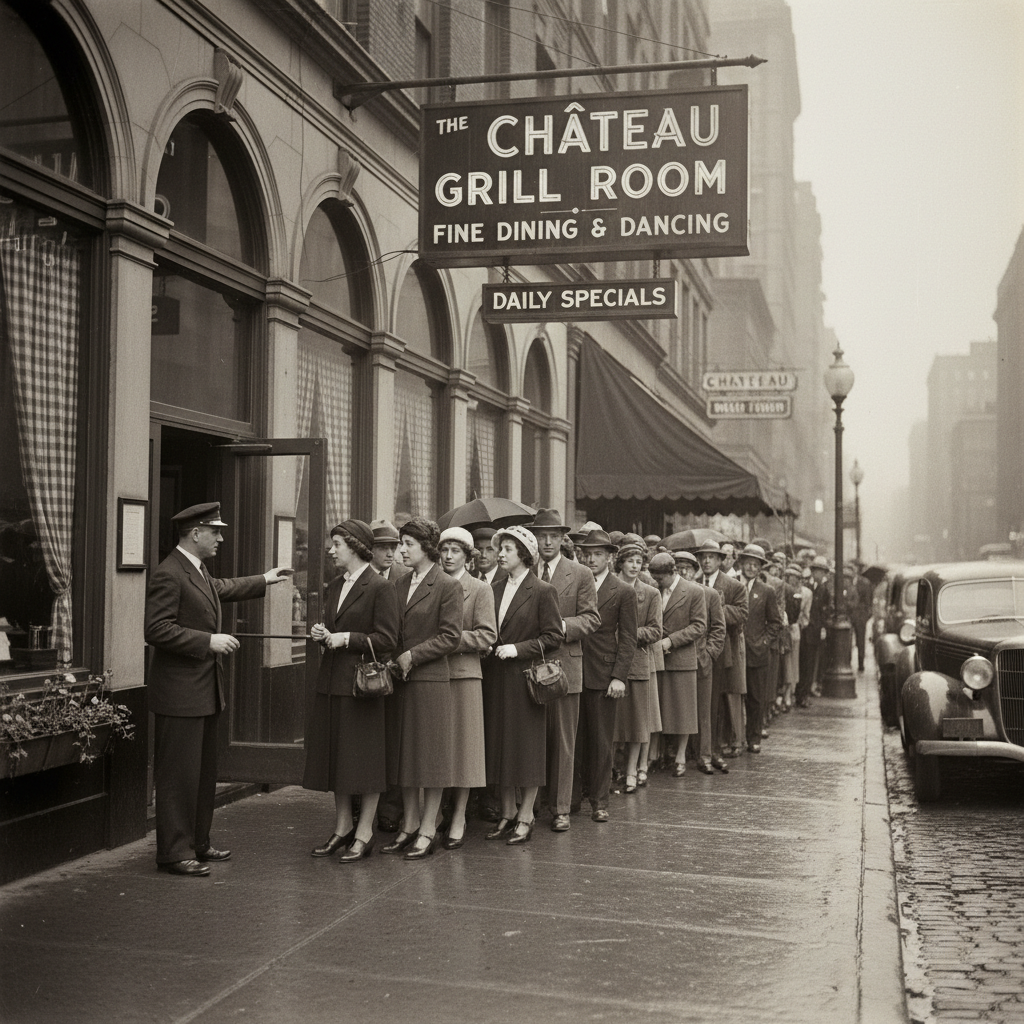
Neighborhood-Specific Restaurant Design in NYC
True success in NYC's culinary scene isn't about universal trends, but about deeply understanding and integrating with the local community's unique spirit.
This document outlines the critical role of neighborhood-specific design in opening a successful restaurant in New York City, emphasizing that true success stems from understanding and integrating with the local community's soul, rather than following universal trends. The author, an architect with over two decades of experience in NYC, argues that a successful restaurant design is a dialogue with its neighborhood, directly influencing long-term ROI and local affection.
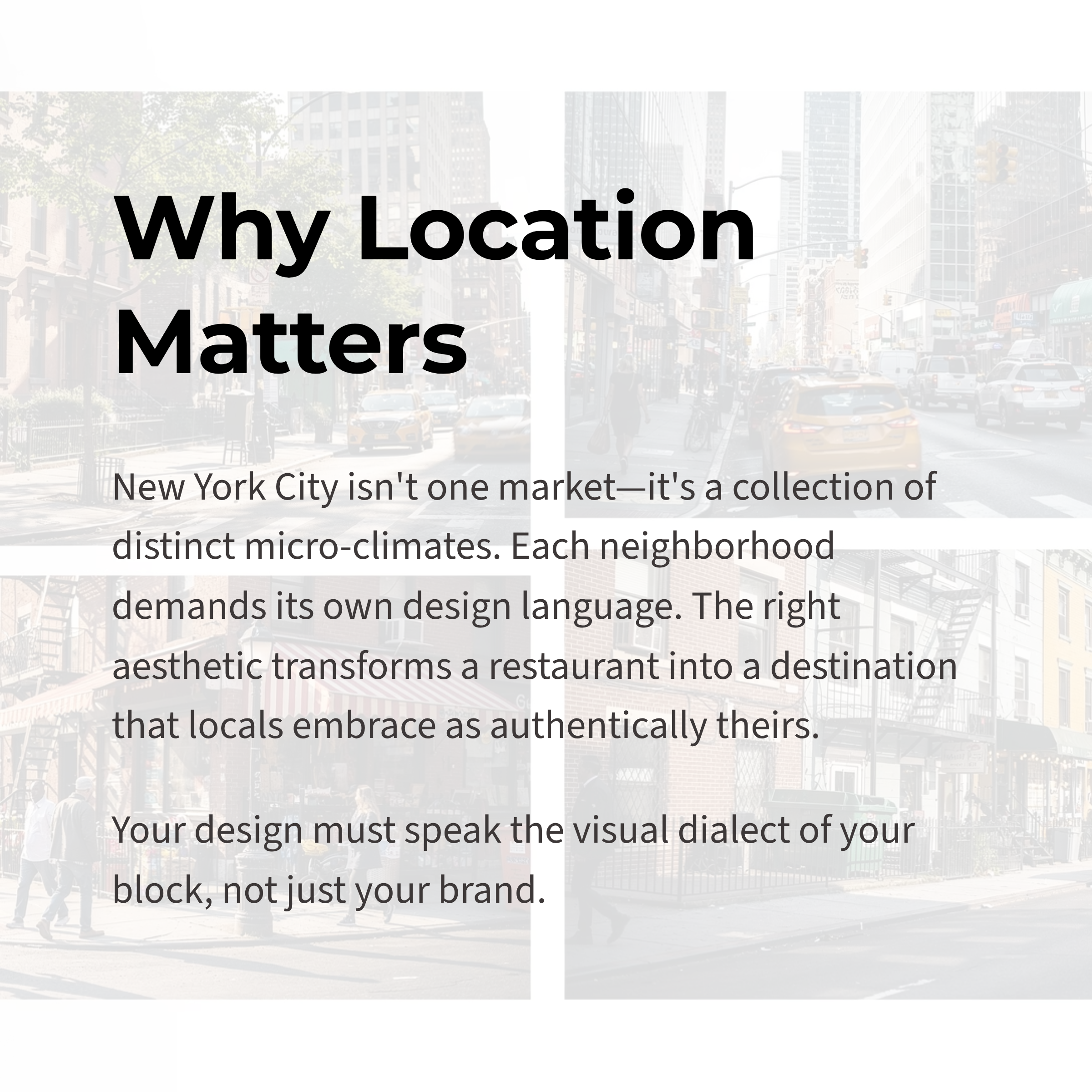
Decoding NYC Neighborhood Demographics
New York City's unparalleled diversity across its five boroughs (Manhattan, Brooklyn, Queens, the Bronx, and Staten Island) necessitates a deep understanding of each neighborhood's unique demographic and cultural fingerprint. This diversity directly impacts culinary preferences and, consequently, effective restaurant design aesthetics.
Queens: A Tapestry of Cultures
Known for its extreme ethnic diversity, particularly Asian and Hispanic populations, it thrives with cuisine-specific restaurants (Thai, Mexican, Korean BBQ). Designs often reflect heritage through colors, patterns, seating, or open kitchens.
The Bronx: Vibrant Latin Flavors
With a strong Hispanic presence, it features vibrant Latin American and Caribbean restaurants where bright colors, lively music, and family-style seating are common design elements.
Italian Restaurants NYC: Adaptability
These demonstrate adaptability, ranging from rustic trattorias in Bensonhurst to minimalist fine dining in Tribeca, showing how a universally loved cuisine can suit various design contexts.
The core lesson is that successful design begins with meticulous neighborhood research to identify the primary target audience. This involves understanding who lives, works, and visits the area, their income levels (influencing preference for cheap eats vs. fine dining), age groups, professions, and lifestyle trends. The design must instantly signal to potential diners, "this place is for you," akin to how diners use local SEO keywords like "restaurants near me" or "Mexican food Brooklyn."
Tailoring Design to Local Identity: From Williamsburg Grit to Upper East Side Grandeur
New York City is characterized by distinct micro-climates, each with a unique personality that restaurant design must translate into tangible space. The goal is to create an experience that is both unique to the establishment and deeply rooted in its surroundings.
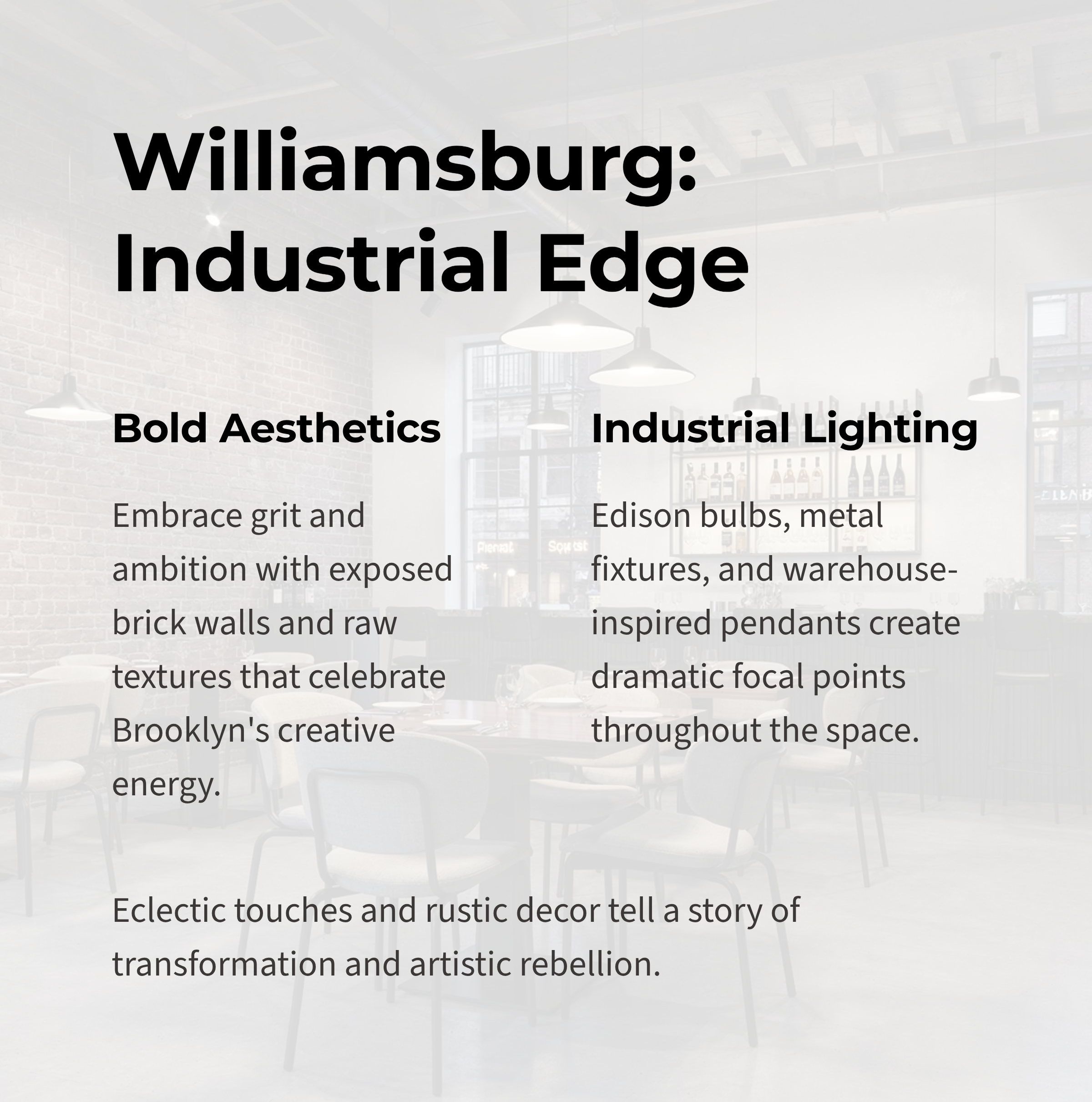
Williamsburg, Brooklyn
Favors bold aesthetics, rustic decor, and eclectic touches, reflecting grit and ambition with exposed brick and industrial lighting.
West Village, Manhattan
Leans towards Art Deco or Parisian chic, creating cozy and intimate spaces for romantic dinner spots NYC.
SoHo, Manhattan
Designs are fashion-forward, minimalist, and artistic, mirroring galleries with high ceilings and clean lines.
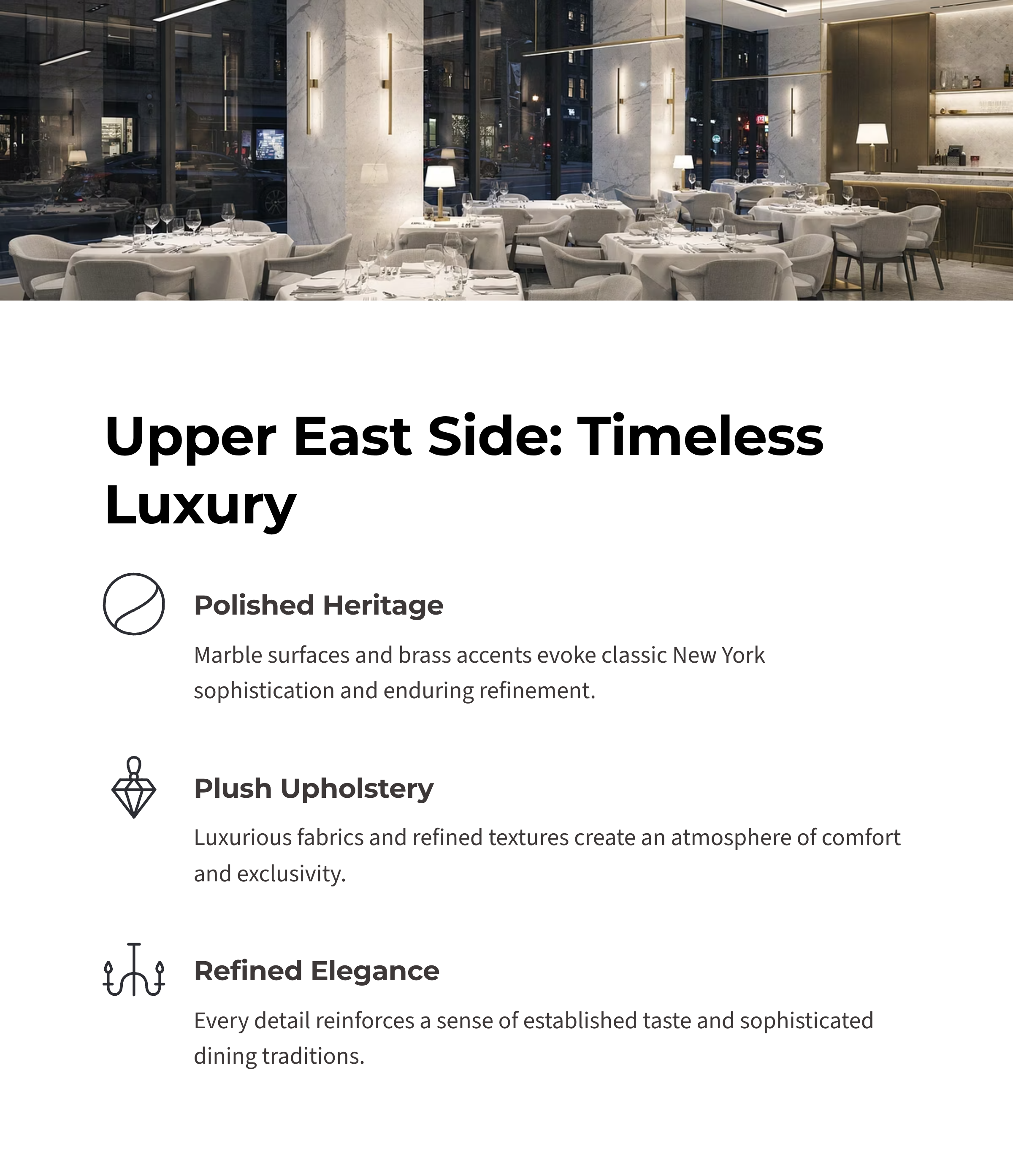
Upper East Side, Manhattan
Represents classic, upscale New York with polished heritage and refined elegance, using marble, brass, and plush upholstery.
East Village, Manhattan
An eclectic mix with gritty charm, intimate spaces, dim lighting, and diverse cultural influences.
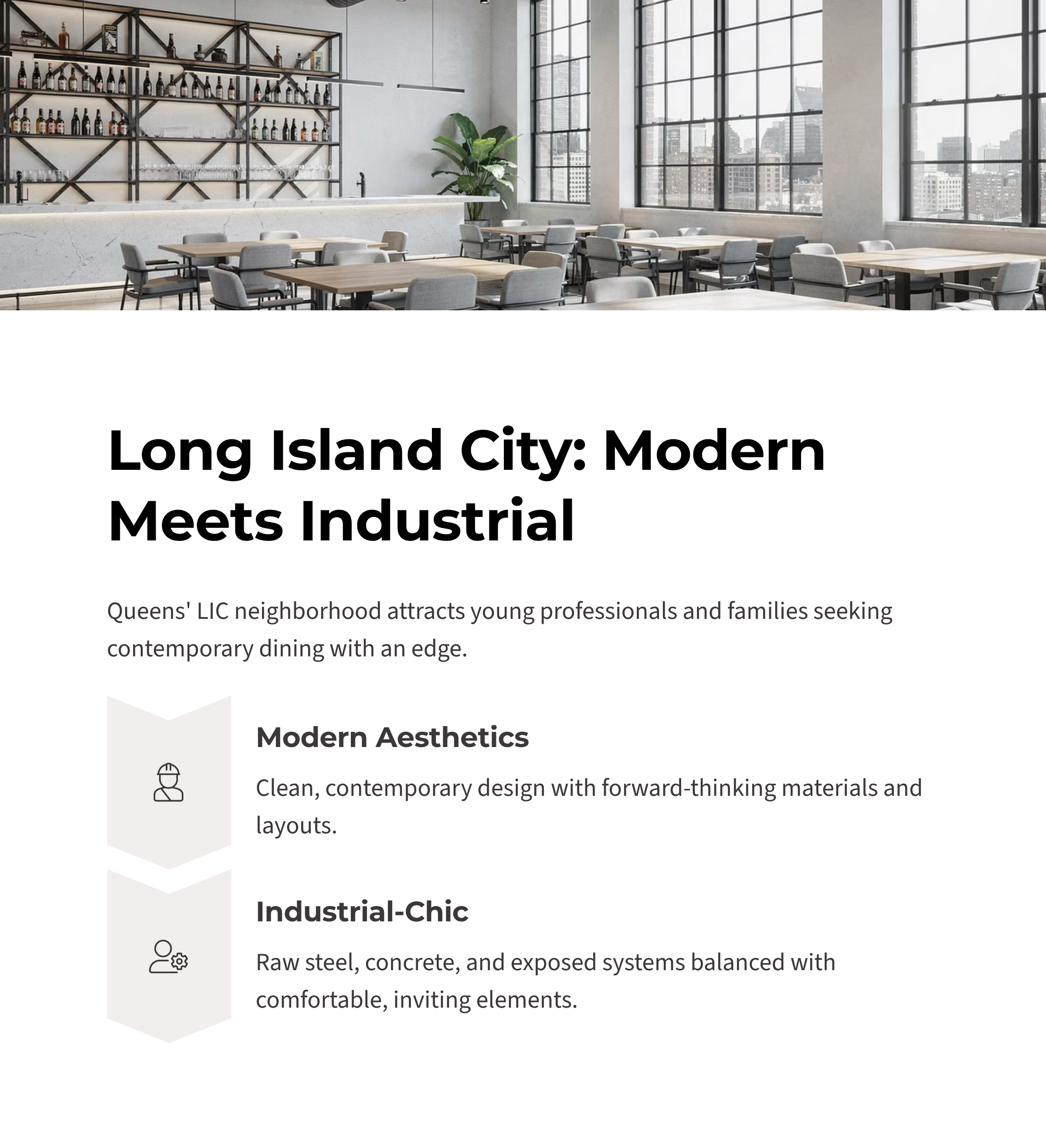
Long Island City (LIC), Queens
Blends modern aesthetics with industrial-chic elements, appealing to young professionals and families.
Hell's Kitchen, Manhattan
Features lively ambiance, dramatic lighting, and playful flair for its vibrant, theatrical scene.
The choice of materials (reclaimed wood, raw steel, polished marble), lighting fixtures, and furniture (communal tables, private booths) are crucial for storytelling and contributing to the local narrative, transforming a restaurant into a destination.
Design for Experience, Efficiency, and ROI
Beyond aesthetics, restaurant design in NYC must prioritize creating unforgettable experiences, fostering operational excellence, and driving long-term ROI.
Immersive Dining Experience
Modern diners seek social currency and Instagrammable moments. Designs should incorporate unique features that encourage social sharing, amplifying brand visibility. "Homey" vibes and comfortable seating increase customer satisfaction.
Operational Excellence
In NYC's competitive market with high operating costs, efficient kitchen design is vital, especially with the shift to fast-casual and delivery-centric models. Smart space planning is crucial for seamless workflow and maximizing the bottom line, particularly for takeout and delivery pickups.
Sustainable Design and Technology Integration
Eco-conscious diners are drawn to sustainable design elements. Design must facilitate seamless technology integration, including POS systems, stable Wi-Fi for digital menus (QR codes), and visually appealing spaces for social media promotions.
NYC's Regulatory Landscape
Navigating the NYC Department of Buildings / Zoning for permits, approvals, and compliance is a significant challenge. Experienced architects prevent headaches and delays by expertly managing these requirements, including outdoor dining design and accessibility.
The Art of the Menu: How Culinary Vision Informs Space
A profound synergy between plate and place is essential. The restaurant design should be a stage for the culinary story.
Cuisine-Specific Design
A vegan sushi Manhattan spot might use clean, minimalist aesthetics, while a rustic Italian restaurant NYC might feature exposed brick. Each element should enhance the diner's anticipation.
Adapting to Evolving Food Trends
The rise of fast-casual dining and delivery-centric models requires designs that accommodate efficient workflows for both dine-in and high volumes of takeout and delivery orders.
Health-Conscious and Plant-Based Menus
Design can reinforce these trends with natural light, greenery, and an airy, clean aesthetic, using natural materials and light wood tones.
Experiential Dining
For experiential dining, the design is a critical component of the spectacle, whether through a dramatic open kitchen or a multi-sensory environment.
Flexibility and Future-Proofing
Designs should be adaptable to evolving NYC restaurant trends and flexible menu concepts, ensuring the investment stands the test of time.
Ready to translate your culinary vision into a thriving, neighborhood-loved establishment?
Our boutique architecture and interiors firm, with over two decades of experience in NYC, offers concierge-style service from concept development to Department of Buildings approvals, ensuring long-term ROI.
ContactUs for a Free Consultation
Frequently Asked Questions
Q1: Why is Neighborhood Research so Important when opening a restaurant?
A: It's paramount. Understanding demographics, culture, and dining habits is the first step to creating a resonant design and attracting a local community.
Q2: Are there Common Design Styles by Neighborhood?
A: Varies greatly. Williamsburg favors industrial-chic/eclectic; Upper East Side prefers classic/refined elegance; West Village leans towards intimate/timeless. The key is blending vision with local fabric.
Q3: How does Design Impact Brand Identity and ROI?
A: Exceptional hospitality design differentiates in NYC's competitive market, creating memorable guest experiences, reinforcing brand identity, encouraging social sharing, and leading to better long-term ROI.
Q4: What are the Key Challenges in NYC Restaurant Design?
A: High operating costs, intense competition, and a complex regulatory environment. Navigating NYC Department of Buildings permits, approvals, and zoning compliance is daunting; an experienced firm is crucial.
Q5: How do Trends like Fast-Casual and Sustainability Influence Design?
A: Designs must accommodate efficient workflows for takeout/delivery and smaller dining footprints. Sustainable design elements (repurposed materials, greenery) are increasingly important for eco-conscious diners.
Q6: Is it Worth Hiring a Specialized Restaurant Designer?
A: Absolutely. Given NYC's market complexities and neighborhood nuances, a specialized restaurant interior designer or hospitality architecture firm is an invaluable investment for local knowledge, regulatory expertise, and creative vision.

LOSAI STUDIO